How to Clean Hard Water Stains in Hamilton
Hamilton's water is notoriously hard. Here's how to tackle those stubborn white mineral deposits on every surface in your home.
Why Hamilton Homes Are Especially Prone to Hard Water Stains
If you live in Hamilton, Ontario, you've almost certainly dealt with those chalky white deposits that seem to appear overnight on your shower doors, faucets, and sinks. Hamilton's municipal water supply, drawn from Lake Ontario and treated at the Woodward facility, measures approximately 120-160 mg/L of dissolved minerals (the City officially reports ~120 mg/L or 8.4 grains per gallon) — placing it firmly in the "moderately hard" to "hard" category.
While most of Hamilton receives treated Lake Ontario water, some rural properties on private wells — particularly in parts of Binbrook, Waterdown, and Ancaster — may have even harder groundwater. But even on the municipal supply, Hamilton's mineral content is enough to leave calcium carbonate and magnesium deposits that cling to glass, chrome, tile, and porcelain with surprising tenacity. Older homes with original plumbing are especially affected.
Don't Wait Too Long
Hard water deposits left for months can permanently etch glass and damage chrome finishes. Weekly maintenance is far easier than tackling months of buildup.
Surface-by-Surface Removal Guide
🪟 Glass Shower Doors & Enclosures
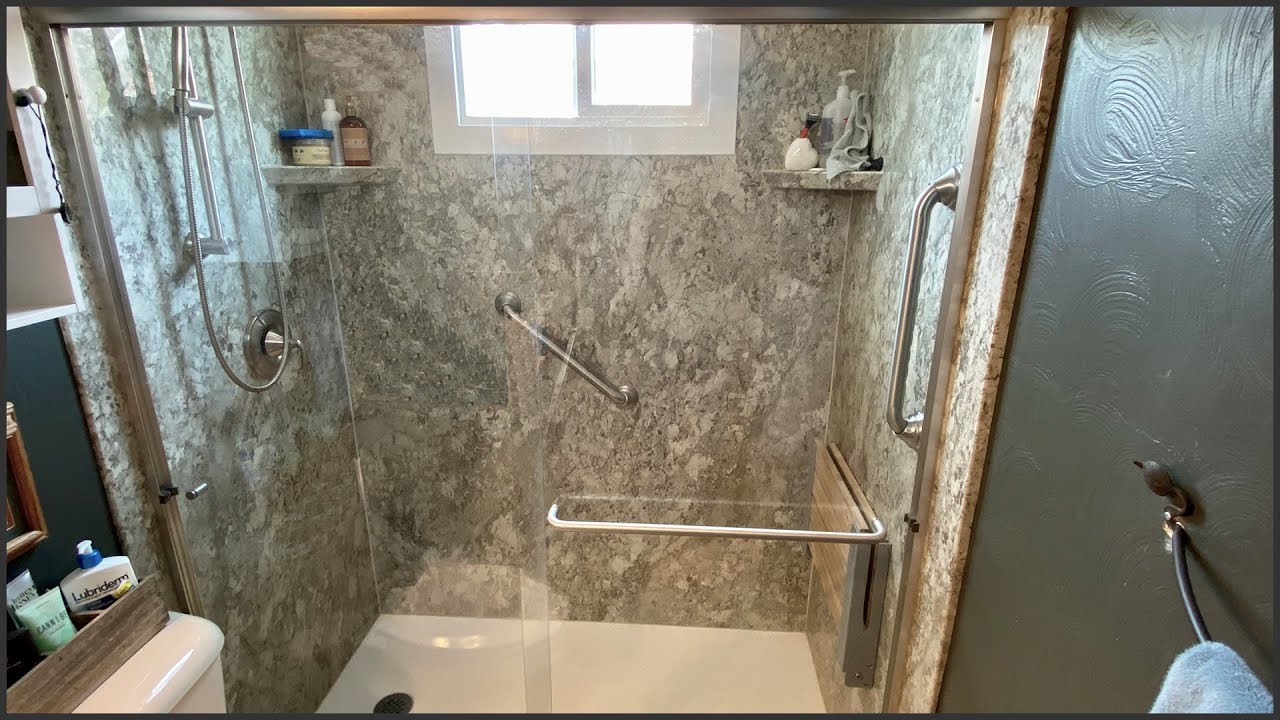
Shower glass is the #1 surface Hamilton homeowners struggle with. The constant combination of hot water, steam, and mineral-rich spray creates the perfect conditions for buildup.
What You'll Need:
- White vinegar (undiluted)
- Baking soda
- Spray bottle
- Non-scratch sponge or microfibre cloth
Steps:
- Spray undiluted white vinegar generously over the glass
- Let it sit for 15-20 minutes (longer for heavy buildup)
- Make a paste of baking soda and a few drops of water
- Apply the paste over the vinegar and scrub gently in circular motions
- Rinse thoroughly with warm water
- Squeegee dry to prevent new spots forming
Pro tip from our team: For extremely stubborn deposits (common in older Hamilton homes), use a razor blade scraper held at a 45° angle. Works on flat glass surfaces only — never use on textured glass or acrylic.
🚰 Faucets & Chrome Fixtures
Those cloudy white rings around faucet bases and handles are mineral deposits. They're especially visible on chrome and stainless steel fixtures.
- Soak a cloth in white vinegar and wrap it around the affected area
- Leave for 30-60 minutes (secure with a rubber band)
- Scrub with an old toothbrush for tight crevices
- Rinse and buff dry with a clean microfibre cloth
⚠️ Avoid vinegar on brass, gold, or oil-rubbed bronze finishes — it can strip the coating.
🏗️ Tile & Grout
Bathroom and kitchen tile — especially in Dundas and Kirkendall heritage homes with original tilework — accumulates minerals in grout lines.
- Spray a 50/50 vinegar-water solution over tile and grout
- Let sit for 10 minutes
- Scrub grout lines with a stiff brush
- For natural stone tile (marble, travertine), use a pH-neutral cleaner instead of vinegar
- Rinse and dry completely
☕ Kettle, Coffee Maker & Appliances
That white flaky residue inside your kettle? Pure calcium. Hamilton's water hardness means you should descale appliances monthly.
- Fill the kettle with equal parts water and white vinegar
- Boil, then let sit for 1 hour
- Rinse thoroughly 2-3 times with fresh water
- For coffee makers, run 2-3 cycles of vinegar solution, then 3 cycles of plain water
Prevention: Keeping Hard Water Stains Away
Hamilton Neighbourhoods Where We Tackle Hard Water Most Often
All of Hamilton receives moderately hard municipal water from Lake Ontario. These are the neighbourhoods where our team most frequently deals with hard water stain removal:
When to Call a Professional
DIY methods work great for regular maintenance. But if you're dealing with years of buildup, etched glass, or mineral stains in hard-to-reach places, our team at Hamilton House Cleaning handles hard water stain removal as part of our deep cleaning service. We use commercial-grade products that safely dissolve even the most stubborn mineral deposits.
Frequently Asked Questions
Is Hamilton water hard or soft?
Hamilton has moderately hard to hard water, typically 120-160 mg/L. The City officially reports ~120 mg/L (8.4 GPG). The water is sourced from Lake Ontario. Some rural properties on private wells may have harder groundwater.
What removes hard water stains from glass shower doors?
A paste of baking soda and white vinegar applied for 15-20 minutes, then scrubbed gently, works for most stains. For severe buildup, use a commercial limescale remover or a razor blade scraper at 45°.
How do I prevent hard water stains from coming back?
Squeegee glass after each shower, wipe faucets dry daily, and apply a water-repellent coating. For a permanent solution, consider installing a water softener.
Can hard water stains damage surfaces permanently?
Yes — left untreated for months, calcium deposits can etch into glass, chrome, and natural stone. Regular cleaning prevents permanent damage.
Tired of Battling Hard Water Stains?
Our deep cleaning service includes professional hard water stain removal for glass, tile, and fixtures.